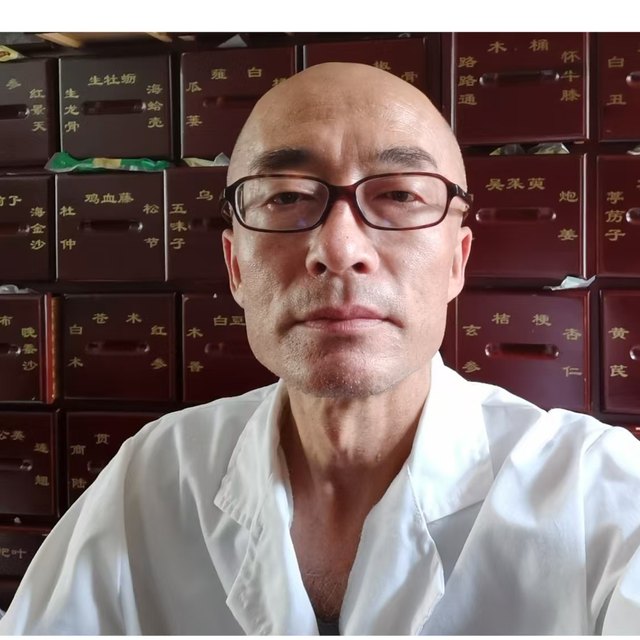
Lao Zhao (老赵)
Eastern wellness, kept simple — four generations in the making.
Fourth-generation practitioner of Chinese medicine · 40+ years of clinical practice · taught in plain English
Eastern wellness, kept simple — four generations in the making.
Fourth-generation practitioner of Chinese medicine · 40+ years of clinical practice · taught in plain English
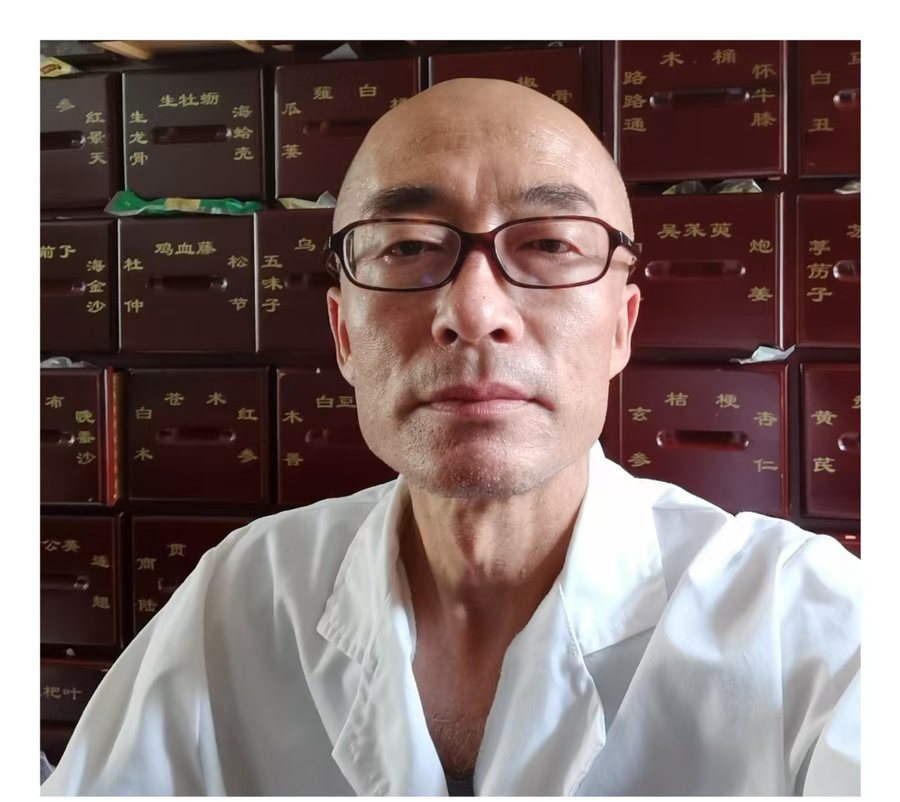
My story doesn't begin with me. It begins in northeastern China, more than a century ago, with an ancestor who practiced medicine in the closing years of the Qing dynasty. In our family, medicine was never a job title. It was the air of the household — something you absorbed before you were old enough to name it.
As a small boy, I memorized the classic rhymes of herbal formulas before I could fully read them. The Tang-Tou Ge-Jue — the "Songs of Decoctions" — I can still recite today, the way other people remember nursery rhymes. On market days I followed my elders to the herb shop: rows of small wooden drawers labeled in brushed ink; the bitter-sweet smell of licorice root and dried tangerine peel; a small brass scale that had to balance perfectly before any packet was folded shut.
Two lessons from those years never left me. First, herbs have faces — you learn each one by sight, scent, and touch, the way you recognize a friend in a crowd. Second, there are no universal answers. The same complaint in two different people may call for two completely different approaches. Four generations later, I still work by those two rules.
I have practiced for more than forty years, and my approach settled long ago into a simple rhythm: modern medicine to verify, traditional practice to nourish the root.
In practical terms, I always look at both sides of the picture. A routine checkup tells me what the numbers are doing — blood pressure readings, lab results, sleep scores, whatever the doctor ordered. The traditional lens tells me the pattern behind them: is someone running hot or cold? Is their energy flowing or stuck? Is digestion strong or weary?
A simple example. When someone tells me they sleep badly, I don't start by reaching for anything. I start with questions. When do you wake? Do you dream? Are your feet cold at night? What does dinner look like? The answers sketch a pattern. Then the plan is usually refreshingly boring: a warm foot soak in the evening, an earlier dinner, ten minutes of seated qigong, a small change to breakfast. Ordinary things, done daily, that have traditionally supported rest.
That is the whole philosophy. Modern checkups are the measuring stick. Traditional practice is how you adjust daily life between checkups. Neither replaces the other — they check each other's homework.
These are the three tools I have leaned on for decades — at home, with family, and in daily work. None of them needs equipment, and all of them fit into an ordinary day.
Slow, repeating movements coordinated with breath and attention. The Baduanjin, or "Eight Pieces of Brocade," has been practiced for centuries; the Twelve-Section Brocade is done entirely seated, which makes it friendly for beginners, travelers, and older practitioners. I have done these sets almost every morning for most of my life — ten to twenty minutes, that's all. Traditionally used to support circulation, balance, and a calm, steady state of mind.
The saying yao shi tong yuan means medicine and food share one origin. In practice, it means cooking with intention: ginger and scallion in cold weather, mung bean soup in summer heat, seasonal congees, chrysanthemum tea after long screen-heavy days. Nothing exotic — most of it is already in your grocery store. In our family, the kitchen was the first clinic. Traditionally used to support digestion, energy, and seasonal comfort.
Ways of caring for the body from the outside in: warm herbal foot soaks in the evening, fragrant sachets by the pillow, herbal baths, and simple self-massage along the body's meridian lines. These are the gentlest tools in the whole tradition — low-cost, safe for most people, and easy to fold into an ordinary evening. Traditionally used to support relaxation and restful nights.
Over the past year I have been putting the family's practices into plain English — no Chinese required, no prior experience assumed. Each book is a short, practical Kindle guide, $3.99 on Amazon.
The classical sequence adapted for a chair or cushion — gentle on the knees, easy to start today. Qigong for Beginners, Book 1.
$3.99 — Kindle eBook on Amazon
Get the Book →The famous standing "Eight Pieces of Brocade": eight slow movements, ten to twenty minutes each morning, no equipment. Qigong for Beginners, Book 2.
$3.99 — Kindle eBook on Amazon
Get the Book →A twelve-part seated set from the old tradition: rubbing the lower back, tapping the teeth, drumming the ears — all from a chair.
$3.99 — Kindle eBook on Amazon
Available on Amazon →My video course for pet lovers: acupressure basics, food therapy, and gentle daily care for dogs and cats — the same principles, for your best friend.
$49.99 — ZHAOPET coupon brings it to $12.99
View the Course →The easiest way to learn alongside me is our Telegram channel. Every day I post one short tip: a seasonal food note, one detail of a qigong movement, a small evening ritual worth trying. One minute to read. No spam, no hype — just one useful thing a day from a tradition four generations deep.
Prefer email? Write to [email protected] — I read everything.